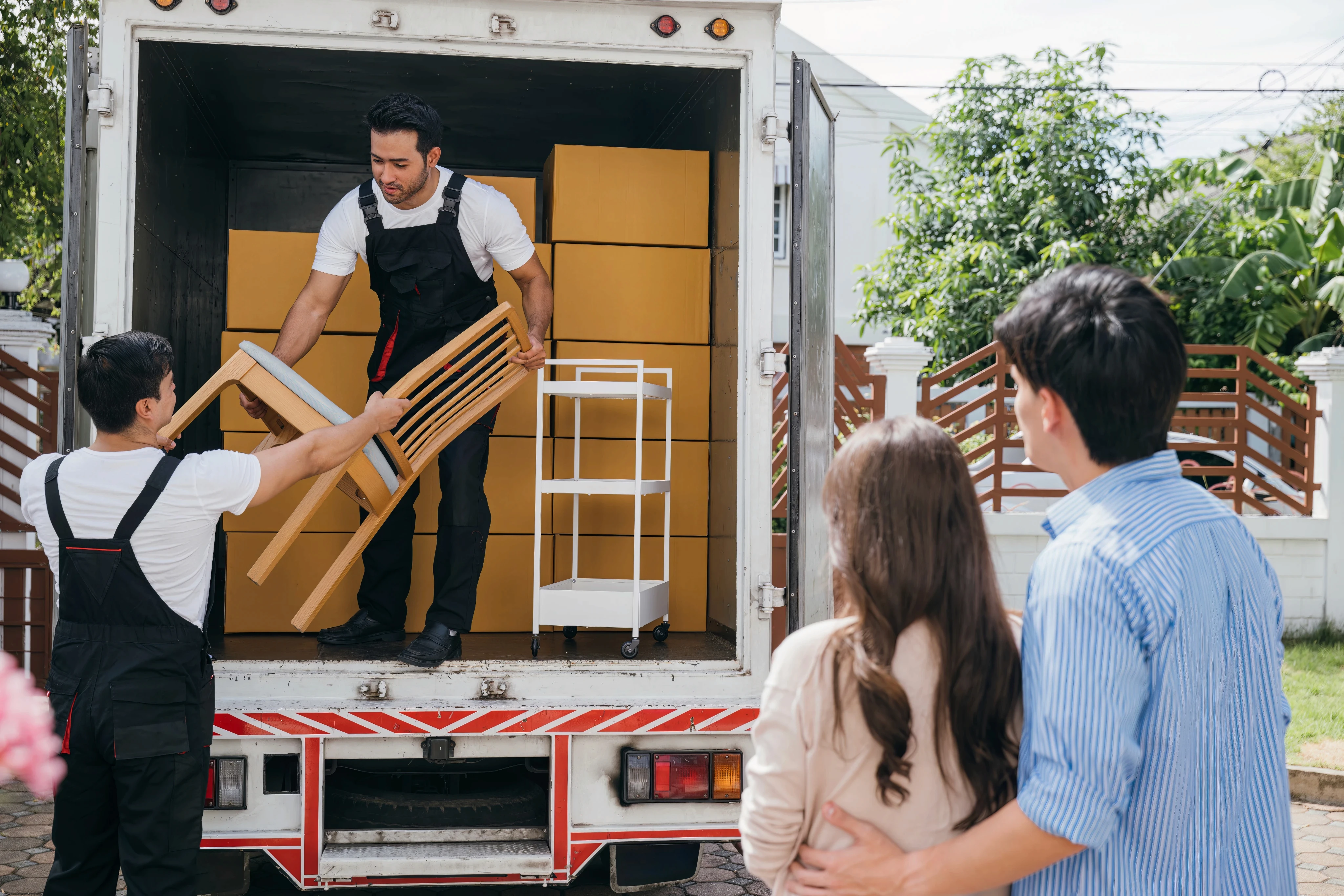
Apartment Shifting
7 common apartment moving mistakes you should avoid
By Mr. Peter Chole
Introduction
Moving out of an apartment presents a unique set of structural and logistical challenges compared to relocating from a standalone house. Tight stairwells, restrictive freight elevator policies, strict property management rules, and limited parking zones all add layers of complexity. If you approach an apartment move without a specialized strategy, minor oversights can quickly escalate into costly penalties, damaged belongings, or immense moving-day stress.

Underestimating building rules and elevator booking
One of the most frequent mistakes tenants make is assuming they can simply show up with a moving truck and start loading. Most premium apartment complexes and high-rise buildings strictly regulate moving hours to avoid disrupting other residents.
To prevent sudden delays, always coordinate with your property manager early and check these essential building logistics:
Freight Elevator Reservation: Secure a dedicated time slot weeks in advance so your crew isn't stuck waiting for shared elevators.
Certificate of Insurance (COI): Many building managers require professional movers to submit a COI before allowing them onto the property.
Loading Zone Permits: Confirm exactly where the moving truck can legally park without blocking emergency access or risking heavy fines.
Neglecting to measure tight corners and doorways
Just because a large sectional sofa fits beautifully in your spacious apartment living room doesn't mean it will easily exit through the front door or clear a narrow hallway turn. Failing to measure spatial clearances before moving day is a recipe for scratched walls and dented furniture frames.

Important Note: Take precise measurements of your furniture's width, height, and depth. Cross-reference these specs with the dimensions of your apartment door frames, stairwell ceilings, and elevator doors. If an item is structurally too large, arrange to dismantle it completely before your moving crew arrives.
Overpacking boxes beyond manageable weight limits
When packing an apartment, it is tempting to throw as many items as possible into giant cardboard boxes to reduce the total number of trips down the elevator. However, packing heavy items like books, cookware, or files into oversized boxes makes them dangerously unstable and incredibly difficult to carry safely down narrow stairs.
Always distribute weight strategically. Utilize small boxes for heavy items and reserve large boxes exclusively for lightweight, bulky goods like linens, pillows, and winter coats. As a general rule of thumb, no single box should exceed 40 pounds (18 kg) to ensure safe, efficient handling by the team.
Forgetting to document the final move-out inspection
Leaving your old apartment without thoroughly documenting its final condition is a massive financial risk. Landlords frequently attempt to withhold security deposits for pre-existing scuffs, floor scratches, or minor wall damages that occurred long before your moving day or were caused during the moving process itself.
Before handing over the keys, do a final walkthrough of every single room. Take clear, high-resolution photographs and videos of the floors, walls, window frames, and inside appliances. This comprehensive digital paper trail serves as your ultimate defense to guarantee you receive your full security deposit back without unnecessary legal disputes.
Share this article: